
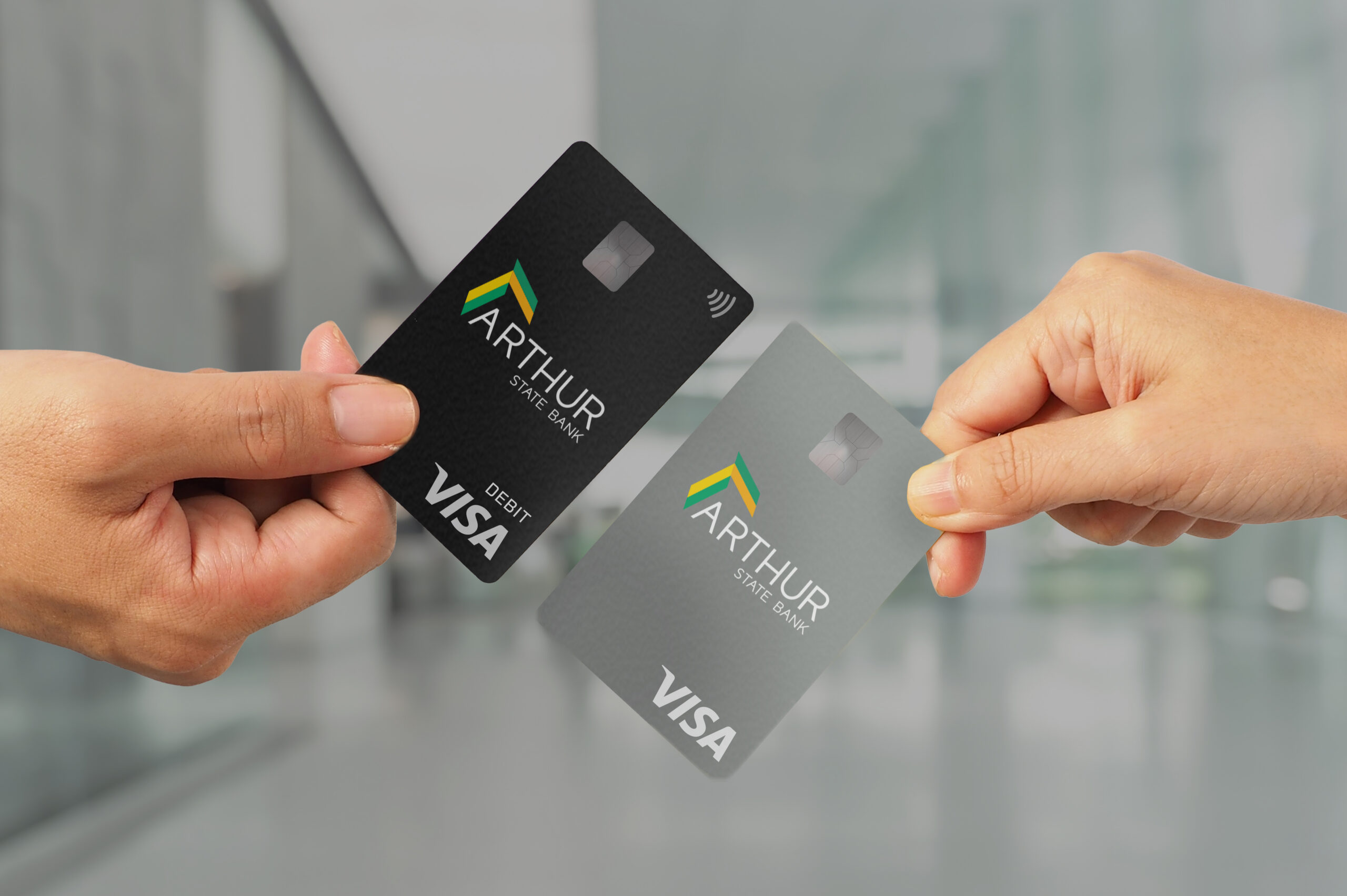
A debit card uses money from your checking account and is best for everyday spending, while a credit card lets you borrow and pay later, best for large purchases.
Debit versus credit comes down to how you access and manage your money day to day. Knowing when to use each can keep you on budget, avoid unnecessary debt, and take advantage of credit-building opportunities. This guide breaks down the differences between a debit card versus a credit card, with practical examples to help you choose the right option for everyday purchases, larger expenses, and long-term financial goals.
What Is the Difference Between a Debit Card and a Credit Card?
A debit card pulls money directly from your bank account at the time of purchase. A credit card allows you to borrow money up to a set limit and repay it later, either in full or over time.
Both debit and credit cards work for everyday purchases, online shopping, and digital wallet payments. But they function differently behind the scenes, which affects budgeting, interest, fees, and how your transactions are processed. The chart below highlights these differences and shows when each option makes the most sense.
| Feature / Situation | Debit Card | Credit Card | When This Matters |
| Where the money comes from | Pulls money directly from your checking account | Uses borrowed funds up to your credit limit | Understanding how payments work |
| Impact on your bank balance | Reduces your available checking balance right away | Does not reduce your checking balance until you make a payment | Managing available cash and spending limits |
| Impact on your credit score | Typically does not build credit through everyday use | Can help build credit when used responsibly and paid on time | Building or improving credit history |
| Interest charges | No interest on purchases | Interest may apply if you carry a balance | Avoiding interest and extra costs |
| Rewards potential | Usually limited | Often offers rewards or cash back | Earning rewards on purchases |
| Budget control | Easier to spend only what you already have | Easier to overspend if you are not tracking purchases carefully | Staying on track with spending |
| Fraud impact | Fraud can affect the money available in your checking account while the issue is resolved | Fraud usually affects a credit line rather than your deposit balance | Protecting your account and funds |
| Everyday purchases | Good for groceries, gas, coffee, and daily spending | Good for everyday purchases if you pay the balance in full | Choosing how to pay for daily expenses |
| Online shopping | Can be used online, but some people prefer not to tie online purchases directly to checking funds | Often preferred for online purchases because it creates separation from your checking account | Deciding how to pay securely online |
| Large planned purchases | Works if you already have the money in your account | Can be useful for larger purchases if you have a payoff plan | Planning and managing bigger expenses |
| Emergencies | Limited to the money available in your account or overdraft options | Can provide extra flexibility in a true emergency | Handling unexpected costs |
| ATM cash withdrawals | Standard use case for debit cards | Cash advances may be possible, but usually come with extra costs | Accessing cash quickly |
| Hotels, car rentals, and temporary holds | Holds can tie up money in your checking account | Often easier to use when a merchant places a temporary authorization hold | Avoiding disruptions from payment holds |
| Best overall use case | Best when your priority is budgeting, avoiding debt, and spending from available funds | Best when your priority is building credit, earning rewards, or adding flexibility | Choosing the right card for your situation |
When Should You Use a Debit Card?
Use a debit card when you’re prioritizing spending only what you have and keeping close control over your cash flow. Because purchases come directly from your checking account, a debit card helps prevent overspending and interest charges, two key debit card benefits for everyday money management.
Best for Budget-Focused Customers
Debit cards work well for customers who want every purchase tied directly to available funds. This makes it easier to track spending in real time and avoid carrying a balance.
Best for Students and Younger Customers Learning Money Habits
Debit cards are a strong starting point for building smart money habits. Arthur State Bank’s Student Checking provides a debit card, online bill pay, and mobile tools to manage spending and stay organized.
Best for Routine Everyday Purchases
Debit is a practical choice for everyday expenses where you want quick, direct payment without borrowing.
- Groceries
- Gas
- Quick errands
- ATM cash withdrawals
Best for Customers Who Want Tight Card Controls
Debit cards offer strong control features for managing spending and security. With digital tools like MyCardRules from Arthur State Bank, you can turn your card on or off, set spending limits, receive transaction alerts, and quickly deactivate a lost card or report suspicious activity.
When Should You Use a Credit Card?
Choose a credit card when your goal is to build credit, earn rewards, or create flexibility between purchases and your checking account balance.
Best for Customers Building Or Improving Credit
Credit cards can build a positive credit history when payments are made on time and balances are kept low. This can improve your ability to qualify for loans, mortgages, or other financial products in the future.
Best for Customers Who Want Rewards On Eligible Purchases
Some credit cards offer rewards on everyday spending, from cash back to points. Arthur State Bank’s rewards-focused Visa Platinum card earns points on eligible purchases. These credit card benefits can add value when balances are paid off consistently.
Best for Larger Planned Purchases
Credit cards are useful for larger expenses when you already have a plan to repay the balance.
- Travel
- Furniture
- Appliance purchases
- Car repairs
Using credit for these purchases can provide flexibility, but avoid carrying a balance longer than planned.
Best for Customers Who Want a Payment Cushion for Emergencies
Credit cards can provide a temporary financial cushion during unexpected situations. They can cover urgent expenses, but use them carefully and repay the balance as soon as possible to avoid long-term debt.
Which Is Better, a Credit Card or a Debit Card?
Neither is better. The right choice depends on your spending situation, your financial habits, and your goals.
- Better for sticking to a budget – Debit
- Better for building credit – Credit
- Better for earning rewards – Credit
- Better for avoiding interest – Debit
- Better for immediate cash access – Debit
- Better for larger planned purchases – Credit
Are Credit Cards Safer Than Debit Cards?
Credit cards are often safer than debit cards for certain transactions because fraudulent charges do not pull money directly from your checking account. With debit cards, fraud may temporarily impact your available balance until the issue is resolved.
Debit cards can be used safely with the right tools and habits. Card controls, transaction alerts, and the ability to quickly deactivate a lost or stolen card help reduce risk. Using a digital wallet can also add an extra layer of security and protect your card details.
We support these protections through MyCardRules, real-time alerts, and digital wallet access, meaning customers can manage debit and credit card security with confidence.
When Should You Not Use Your Debit Card?
Avoid using a debit card for large purchases, online transactions, or situations where your available balance is limited. For example, booking travel or paying for a hotel stay may place a temporary hold on your account, tying up your funds.
Situations where a credit card is the better option:
- Large purchases where you may want added protections or clearer statements
- When your checking balance is tight, since purchases pull funds immediately
- Transactions that place holds can temporarily reduce available funds
- Online purchases, when you prefer to keep a distance between transactions and your checking account
Pros and Cons of Debit Cards
When comparing a debit card versus a credit card, debit stands out for simplicity and control. It is designed to make sure you can only spend the money you have, making day-to-day money management more straightforward.
Pros:
- Strong budgeting control since you spend only what is in your account
- Direct access to your available funds
- Easy access to cash through ATMs
- No interest charges on purchases
- Simple and convenient for everyday use
Cons:
- Purchases reduce your checking balance immediately
- Fewer reward opportunities compared to credit cards
- Does not typically build credit history
- Potential overdraft risk if spending is not closely monitored
Keep a close eye on your balance when using a debit card. Arthur State Bank offers overdraft options, including linked savings accounts, and overdraft protection for qualifying customers, which can provide a safety net when needed.
Pros and Cons of Credit Cards
Credit cards offer flexibility and convenience, along with several benefits when used responsibly. They can support long-term financial goals, but they also require careful management to avoid added costs.
Pros:
- Can help build credit with on-time payments
- May offer cash back or point rewards
- Useful for larger planned purchases
- Creates separation between spending and your checking account balance
Cons:
- Interest charges apply if balances are carried
- Easier to overspend without a set limit tied to cash on hand
- Fees may apply depending on the card
- Cash advances are typically not ideal for everyday cash needs
Best for Your Spending Style: Which Card Fits You?
Choosing between a debit versus credit often depends on your spending habits and financial goals. The examples below highlight how each option can fit different lifestyles and guide everyday decisions.
Best for the Everyday Budgeter
Debit is often the better choice if your goal is to stay on budget and track spending closely. Because purchases extract funds directly from your checking account, it helps you see exactly what you have available and avoid overspending.
Best for the Credit Builder
Credit cards are a strong tool for building credit when used responsibly. Using a card for planned purchases and paying the balance in full and on time can establish a positive credit history.
Best for the Student or First-Time Card User
Starting simple can make it easier to build good habits. A debit card through Arthur State Bank’s Student Checking offers easy account access and spending controls. We also offer credit education resources to help people apply for their first credit card.
Best for the Rewards-Minded Spender
Credit cards are a better fit for those who want to earn rewards on eligible purchases. This approach works best when balances are paid in full each month, so rewards are earned without interest charges.
Best for the Security-Conscious Online Shopper
Credit cards can offer added protection for online purchases by keeping transactions separate from your checking account. Debit cards can still be used safely with alerts and card controls to monitor and manage activity in real time.
Best for the Customer Who Wants the Simplest Money Management Setup
Debit cards provide a straightforward way to manage money by linking directly to your checking account. Combined with online and mobile banking tools, this offers clear visibility into spending and account balances.
How Arthur State Bank Can Help You Choose
Choosing between debit and credit does not have to be complicated. Arthur State Bank offers a range of tools and local support to help you find the right setup based on how you spend, save, and manage your money.
If Debit Is the Better Fit
Arthur State Bank provides several checking account options designed for different needs, and tools to make everyday spending easy to manage:
- Personal checking accounts, including General’s, Student’s, Senior’s, and Super NOW
- Debit cards for everyday purchases and ATM access
- Online banking and mobile app tools for real-time account visibility
- Bill pay features and mobile deposit
- Ready Reserve and overdraft protection options
If Credit Is the Better Fit
For customers who want to build credit or earn rewards, Arthur State Bank offers credit solutions supported by educational resources:
- Visa and Mastercard credit card options
- Rewards-focused credit card programs
- Credit education blogs and tools to support responsible use
If You Want Local Help Choosing
If you are unsure which option fits your needs, speaking with a local banker can help. Arthur State Bank offers in-person support along with digital tools, making it easier to choose the right combination of accounts and cards for your financial goals.
Proudly serving South Carolina since 1933, Arthur State Bank offers accounts and services to meet a variety of financial needs. To help you achieve all your financial goals, the bank offers in-person service as well as a range of convenient digital solutions. To learn how Arthur State Bank can help you with banking needs ranging from checking and savings to retirement accounts, mortgages, and other personal loans, visit arthurstatebank.com.
Frequently Asked Questions About Credit vs Debit
Is an ATM a Debit or a Credit Card?
An ATM card is typically linked to a bank account and used to withdraw cash. Most debit cards also function as ATM cards, allowing you to access funds directly from your checking account.
Is Using a Debit Card the Same as Using a Credit Card?
No, they are not the same. While both may look identical at checkout and can be used similarly, the source of funds is different. A debit card pulls money directly from your bank account, while a credit card uses borrowed funds you repay later.
Can You Withdraw Money From a Credit Card?
Yes, you can withdraw money from a credit card through a cash advance. This process is different from a standard ATM withdrawal using a debit card. Cash advances often include fees and begin accruing interest immediately, making them less practical for everyday use.
Is It Worse To Lose a Debit or a Credit Card?
Losing a debit card can affect your checking account balance more directly since it is tied to your available funds. A credit card uses a line of credit, which can limit the immediate impact on your savings.
Can a Debit Card Help You Build Credit?
No, using a debit card does not usually build credit history. Credit reporting agencies track borrowing and repayment activity, which debit cards do not involve. To build credit, you typically need a credit card or a loan that reports payment activity.
Should I Use Debit or Credit for Online Shopping?
A credit card is often the better choice for online shopping because it keeps transactions separate from your checking account. This can help protect your available funds if an issue arises. Debit cards can still be used safely when paired with alerts and card controls, especially if you actively monitor your account activity.