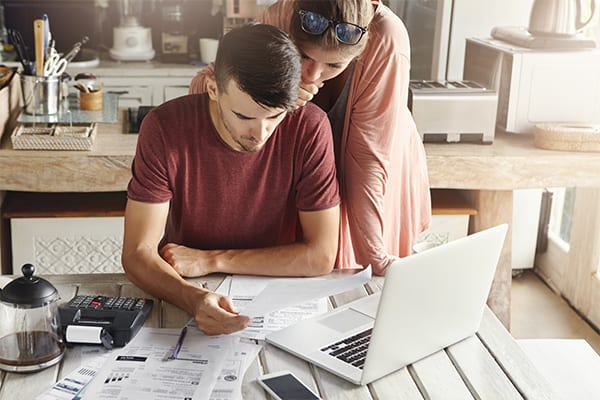
Today’s digital banking services make it easier than ever for consumers to perform a long list of tasks, from transferring funds and paying bills to checking account balances and even depositing checks without having to go to the bank. Unfortunately, these modern banking conveniences also present opportunities for fraudsters to exploit. It’s important to always keep your personal information private because criminals who gain access to sensitive details can use that data to steal your money or even your identity.
By being careful about sharing your bank account details and taking steps toward personal data protection, you can greatly reduce your chances of falling victim to financial fraud. Top ways to safely share banking information include verifying the recipient’s identity before providing sensitive data and using secure communication channels.
5 Ways To Avoid Sharing Personal Information With Scammers
These are some of the most effective ways to keep your personal information private and avoid sharing confidential information with fraudsters:
1. Know Fraudsters’ Top Tactics
Criminals’ methods are always evolving. Stay aware of the latest banking fraud trends and scam tactics being used to steal consumers’ personal information and money. Use this knowledge to identify any attempts to defraud you and avoid becoming a victim.
2. Stay Skeptical
Fraudsters often pose as representatives of legitimate businesses or financial institutions to make consumers feel comfortable sharing bank account details and other personal information. Be skeptical of anyone asking for sensitive data, especially when you did not initiate the communications.
3. Always Verify
Don’t click on links in an email or text message or provide sensitive information to someone who called you unexpectedly on the phone. Instead, take steps to confirm that you’re communicating with who you think you are. Avoid sharing personal information until you’ve contacted the business or organization directly—using an official phone number, email address, or other verified communications channel—and confirmed that any request for sensitive details is legitimate.
4. Use Secure Communications Channels
To protect your personal data, don’t use public Wi-Fi connections or public-access devices to send or receive sensitive information, as these are often easier for hackers to infiltrate. Instead, use your own devices on secured networks at your home or office, or use your personal device’s cellular connection.
Avoid sending personal or financial details through unsecured communications channels, including regular email, social media platforms, or non-secure messaging services. Instead, use encrypted emails, secured messaging apps, or phone calls.
When providing sensitive information on a website, look for indicators that the page is secure. The “https://” at the start of the web address and the padlock symbol in your web browser’s address bar both indicate that any information you send will be encrypted.
5. Follow Security Best Practices
You can make it substantially harder for cybercriminals to gain unauthorized access to your digital accounts and personal information by following established best practices for online security, including:
- Keeping your software up to date
- Using strong passwords, varying them across accounts, and updating them regularly
- Enabling multi-factor authentication when available
- Using anti-virus protection on your devices and firewalls on your computer networks
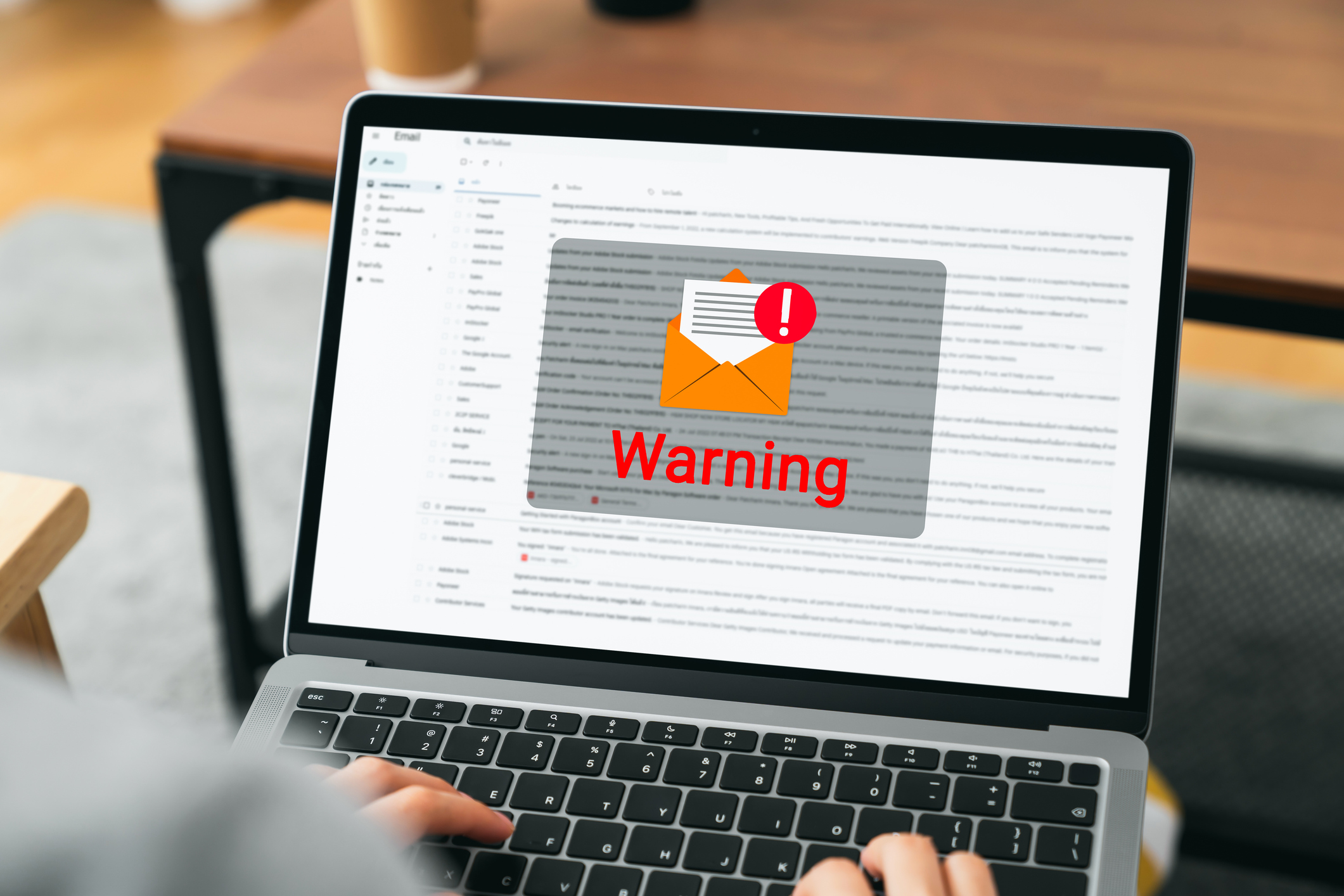
- Staying on the lookout for phishing attempts and fake bank messages
- Closely monitoring your bank and credit card accounts and setting up automatic alerts
Banking Information You Should Never Share
There are some personal details that bank representatives will never ask you for. In the wrong hands, this information could provide criminals with direct access to your accounts and your money. Banking information you should never share includes:
- Your online banking account passwords
- Any PINs associated with your debit or credit cards
- The security questions and answers used to retrieve lost or forgotten usernames and passwords
- The one-time passcodes used to verify your identity during multi-factor authentication
Banking Details You Should (Almost) Never Share
During certain transactions and inquiries, bank personnel and other legitimate parties may request sensitive personal information that you wouldn’t want to share with anyone else, so you should always be especially cautious about providing it. Banking details that should not be shared without first confirming the identity of the person requesting them and their legitimate need for the data include:
- Your complete Social Security number
- Your full credit or debit card numbers
- Your complete account and routing numbers
- Your driver’s license or state ID numbers
Proudly serving South Carolina since 1933, Arthur State Bank offers accounts and services to meet a variety of financial needs. To help you achieve all your financial goals, the bank offers in-person service as well as a range of convenient digital solutions. To learn how Arthur State Bank can help you with banking needs ranging from checking and savings to retirement accounts, mortgages, and other personal loans, visit arthurstatebank.com.